
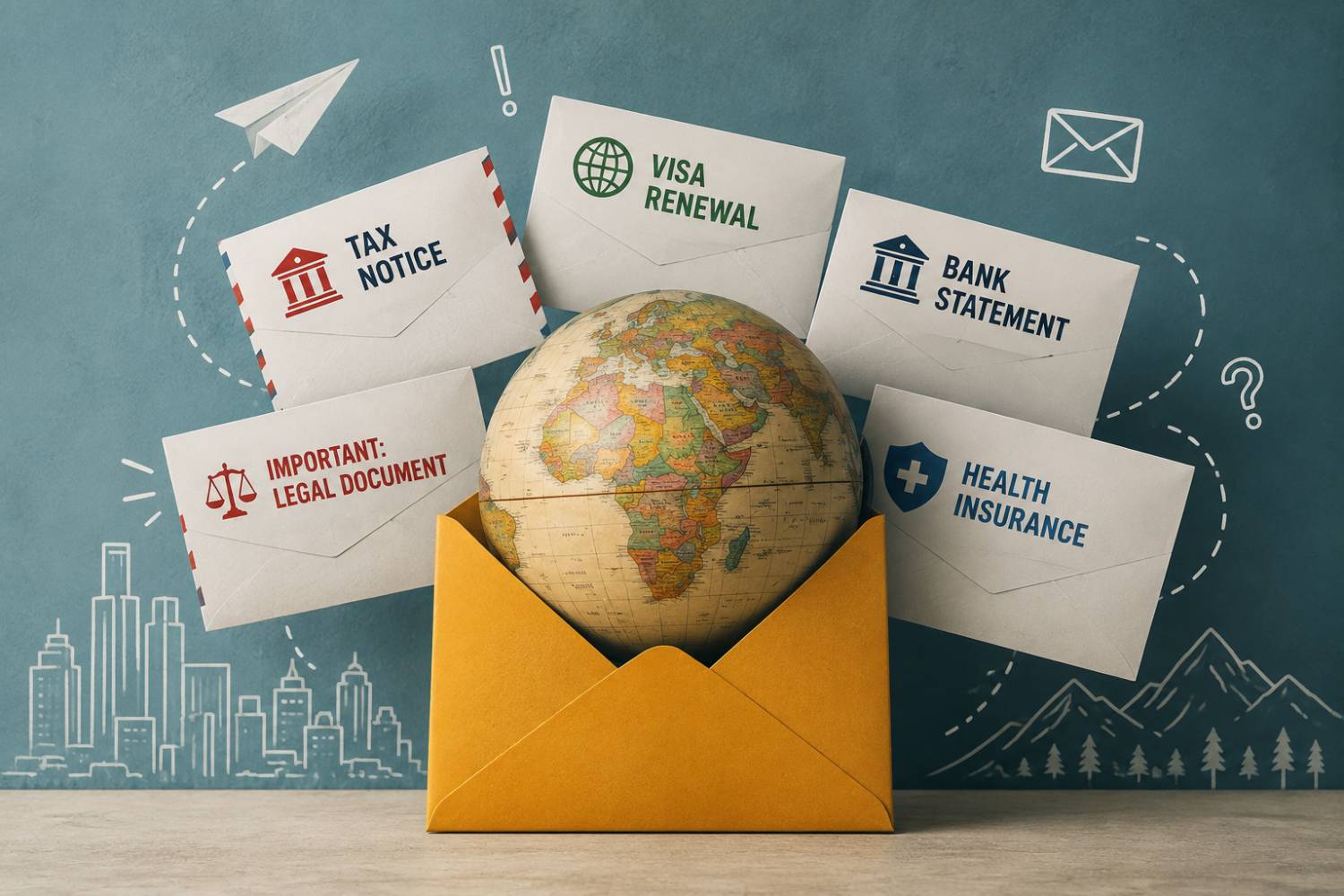
One of the biggest challenges for expats is dealing with official letters and documents. A letter that looks like an ordinary envelope may contain a tax deadline, immigration notice, healthcare information, insurance update, rent-related communication, or a request for additional documents. Ignoring it because it is written in an unfamiliar language or because you assume it is not urgent can create serious problems later. For this reason, understanding which letters deserve immediate attention is an essential part of living abroad. This guide explains the most important types of letters and official communications that expats should never ignore, why they matter, what can happen if you fail to respond, and how to deal with documents you do not fully understand.
Why Official Letters Matter So Much When You Live Abroad
When you live in your home country, you may already understand how government agencies, banks, healthcare providers, landlords, and insurance companies communicate with you. You probably recognise the logos, terminology, deadlines, and standard procedures. Living abroad is different. A letter may contain unfamiliar terminology, abbreviations, legal requirements, or deadlines that are difficult to understand. You may also receive important information through several different channels, including physical mail, email, online government portals, mobile applications, or messages from service providers. The biggest mistake an expat can make is assuming that a letter is unimportant simply because it looks unfamiliar. An official communication may require you to:
Submit documents
Pay a bill
Confirm your personal information
Attend an appointment
Respond before a specific deadline
Renew a permit or registration
Provide proof of residence
Appeal or dispute a decision
Missing one deadline can sometimes result in additional fees, administrative complications, loss of a service, or even immigration-related problems.
1. Immigration and Residence Letters
Immigration-related correspondence should always be treated as high priority. Depending on the country where you live, you may receive letters concerning your visa, residence permit, registration status, work authorisation, or application for permanent residency. These communications may come from:
Immigration authorities
Ministries or government departments
Local authorities
Foreigners' offices
Embassies or consulates
Other official administrative bodies
What Should You Look For?
Pay particular attention to words indicating a deadline, appointment, required action, missing document, renewal, application status, or request for information. For example, a letter may tell you that you need to provide an additional document within a certain number of days. Do not assume that the immigration office will contact you again if you fail to respond.
Why These Letters Are So Important
Your immigration status determines your legal ability to remain, work, study, or access certain services in your host country. Even if you have lived in the country for several years, administrative requirements can change when you renew a residence permit, change employers, move to a new address, or apply for a different immigration status. Whenever you receive immigration-related correspondence, read it carefully and record any deadlines immediately.
2. Tax Letters and Government Notices
Tax correspondence is another category that should never be ignored. You may receive tax-related letters even if you believe your employer handles your taxes. Depending on the country, you could receive communications regarding:
Tax registration
Income tax
Tax declarations
Tax refunds
Outstanding payments
Changes to your tax status
Requests for supporting documents
Tax identification numbers
Do Not Assume “No Action Required”
Some tax communications are purely informational, while others require a response. The important point is to determine which category your letter belongs to. If the document is difficult to understand, consider asking a qualified tax professional or interpreter for assistance rather than ignoring it.
Keep Copies of Tax Correspondence
Create a dedicated folder for tax documents. Keep copies of:
Tax returns
Government notices
Payment confirmations
Tax identification documents
Correspondence with tax authorities
Supporting financial documents
Keeping an organised record can make future applications and tax filings much easier.
3. Bank Letters and Financial Notifications
Banks regularly send customers important communications. These can concern changes to account terms, security issues, identity verification, fees, transactions, cards, loans, or regulatory requirements. A bank letter may look routine, but it could require immediate action.
Common Bank Communications You Should Check
Pay attention to notices regarding:
Suspicious transactions
Card expiration
Account verification
Changes to banking conditions
New fees
Identity verification
Account restrictions
International transfers
Changes in personal information
If you are living abroad, banks may also periodically ask you to update your tax residency or provide additional identification. Ignoring these requests can potentially lead to restrictions on certain account functions.
4. Healthcare and Health Insurance Letters
Healthcare correspondence is another area where language barriers can cause problems. You may receive letters about insurance coverage, registration, appointments, reimbursements, medical documentation, or changes to your healthcare plan. Some communications may come from a government healthcare system, while others may come from a private insurer.
What Healthcare Letters Might Tell You
A healthcare-related letter could include:
An appointment date
A request for medical documents
Insurance renewal information
Changes to coverage
Reimbursement information
Registration instructions
Requests to update personal information
Information about healthcare contributions or payments
If you receive something related to an appointment or required medical documentation, do not leave it unopened simply because the terminology is unfamiliar.
5. Letters From Your Landlord or Property Management Company
Housing-related correspondence can affect one of the most important parts of your life abroad: your home. Your landlord, property manager, housing association, or rental agency may send communications concerning rent, maintenance, inspections, contract renewals, deposits, repairs, or changes to the rental agreement.
Important Housing Letters Include:
Rent increase notices
Lease renewal documents
Inspection notices
Maintenance communications
Utility information
Requests for documentation
Deposit-related correspondence
Notice of termination
Never assume that a housing letter is simply administrative. Some countries have specific legal procedures and notice periods relating to rental agreements. If you do not understand a document, get professional advice before signing anything.
6. Utility Bills and Service Notices
Electricity, gas, water, internet, and other household services can also generate important letters. Some may simply be invoices, while others could warn you about:
Unpaid bills
Service interruptions
Contract expiration
Price changes
Meter readings
Changes to payment methods
Missing a utility payment may result in late fees or service disruption. If you move house, keep records of final meter readings, cancellation confirmations, and payment receipts.
7. Insurance Letters
Insurance companies communicate with customers regularly, particularly when policies are renewed or changed. This may include:
Health insurance
Home insurance
Car insurance
Travel insurance
Life insurance
Professional insurance
An insurance letter might contain a renewal date, new premium, updated terms, or information about coverage. Do not assume that your policy will remain unchanged forever. Read renewal documents carefully and check whether the price, coverage, exclusions, or cancellation terms have changed.
8. Letters From Your Employer
If you work abroad, employment-related correspondence can also have legal or financial consequences. Important documents may concern:
Employment contracts
Salary changes
Tax documentation
Benefits
Working hours
Leave entitlement
Company policies
Termination or redundancy
Even if your employer normally communicates through email or an internal platform, keep copies of important employment documents. This can be particularly useful if you later need to prove your employment status for immigration, housing, banking, or another administrative process.
9. Letters From Local Authorities
Local government authorities may contact residents for a wide variety of reasons. Depending on where you live, this could involve:
Local registration
Municipal taxes
Parking permits
Waste collection
Local services
Voting or civic registration
Property-related matters
Not every government letter requires immediate action, but every official letter should be opened and reviewed. If you cannot determine whether a response is required, investigate the sender and the deadline rather than ignoring the document.
10. Letters Relating to Driving and Vehicles
If you drive abroad, correspondence concerning your driving licence or vehicle should receive special attention. Possible communications include:
Driving licence renewal
Vehicle registration
Road tax
Insurance
Parking penalties
Traffic violations
Vehicle inspections
A parking ticket or traffic notice may have a payment deadline. Failing to respond could potentially increase the amount you owe or create additional administrative complications.
11. Court, Legal and Official Enforcement Letters
Legal correspondence should never be ignored. This includes letters from:
Courts
Lawyers
Government enforcement agencies
Debt collection authorities
Official tribunals
Even if you believe the letter was sent by mistake, investigate it. A legal notice can contain strict deadlines for responding, paying, attending a hearing, or submitting evidence. If the document is in a language you do not understand, seek qualified legal or language assistance as soon as possible.
What If You Cannot Understand the Letter?
This is one of the most common problems for people living abroad. You may recognise the sender but struggle to understand the actual content. Translating a few words using an online translator may help, but it is not always enough for legal, financial, medical, or immigration documents. A translation tool can misunderstand context, technical terminology, or legal language. If the document requires an important decision, consider getting professional assistance. If you are unsure whether professional interpretation is necessary, learning When Do You Need an Interpreter? can help you decide whether you need more than a basic translation.
Interpreter or Translator: Which One Do You Need?
These terms are often confused. A translator generally works with written content, while an interpreter helps people communicate verbally. If you have received a letter and need the written document translated, a translation service may be appropriate. However, if you need to attend a government office, immigration appointment, medical appointment, legal meeting, or meeting with a landlord and cannot communicate confidently in the local language, an interpreter may be more appropriate. The cost can vary depending on the language, location, duration, subject matter, and type of service. If you need to plan your budget, you can research How Much Does an Interpreter Cost? before arranging professional assistance.
How to Deal With an Important Letter Step by Step
If you receive an unfamiliar official letter, do not panic. Use this simple process.
Step 1: Identify the Sender
Look at the organisation's name, address, logo, contact information, and reference number. Do not immediately assume that an unfamiliar letter is fraudulent, but remain cautious.
Step 2: Check the Date
Look for the date the letter was issued. This can help you determine how much time you have to respond.
Step 3: Find the Deadline
Search for phrases indicating when you must respond or make a payment. Write the deadline in your calendar immediately.
Step 4: Identify the Required Action
Ask yourself:
Do I need to pay something?
Do I need to provide documents?
Do I need to complete a form?
Do I need to attend an appointment?
Do I need to contact the organisation?
Is the letter simply informational?
Step 5: Verify the Information
If the letter requests money or sensitive information, verify that it is legitimate. Use the organisation's official website or previously known contact details rather than automatically using a phone number or payment link contained in a suspicious message.
Step 6: Ask for Help If Necessary
If the document is too complicated, do not guess. Ask a trusted professional, qualified interpreter, lawyer, accountant, immigration adviser, or relevant organisation for assistance. When searching for language support, knowing How to Find a Reliable Interpreter in a Foreign Country can help you avoid choosing someone without the appropriate experience.
Step 7: Keep Evidence of Your Response
After responding, save:
Copies of submitted documents
Emails
Receipts
Payment confirmations
Appointment confirmations
Reference numbers
This creates a record in case you need to prove later that you responded on time.
How to Organise Important Letters as an Expat
One of the easiest ways to avoid missing important correspondence is to create a simple filing system. You can organise documents into categories such as:
Immigration: visas, residence permits and government correspondence
Finance: bank statements and tax documents
Healthcare: insurance and medical administration
Housing: rental agreements, bills and landlord correspondence
Work: contracts and employment documents
Legal: court or legal correspondence
Utilities: electricity, gas, water and internet
Use both physical and digital storage. A useful system is to scan important documents and save them using clear file names. For example: 2026-08-31_Immigration_ResidencePermit.pdf This makes documents much easier to find when you need them.
How to Avoid Missing Important Deadlines
Even an organised person can forget a deadline. Create a dedicated calendar for official matters. Whenever you receive an important letter, record:
The organisation
The subject
The required action
The deadline
The reference number
The date you responded
For particularly important deadlines, create more than one reminder. For example, you could set reminders one month, two weeks, and three days before the deadline.
Be Careful With Scams and Fake Official Letters
Not every official-looking letter is legitimate. Scammers may use government-style logos, urgent language, fake reference numbers, or requests for immediate payment to make correspondence appear genuine. Warning signs can include:
Unexpected demands for immediate payment
Threats that seem unusually aggressive
Requests for passwords or security codes
Unusual payment methods
Suspicious website addresses
Spelling and formatting mistakes
Requests for sensitive information without explanation
However, do not ignore the letter simply because you suspect a scam. Instead, verify the sender independently through official contact information.
Why Language Should Never Be a Reason to Ignore a Letter
Language barriers are one of the biggest reasons expats postpone dealing with official correspondence. You may think: “I will translate it later.” Then days become weeks, and suddenly the deadline is approaching. A better approach is to create a simple rule: If you do not understand a letter, identify what it is and whether it contains a deadline as soon as possible. You do not necessarily need to understand every sentence immediately. First determine:
Who sent it?
Why did they send it?
Is action required?
When is the deadline?
Who can help me understand it?
Once you know these five things, you can take the next step with much more confidence.
The First-Month Letter Checklist for New Expats
During your first few weeks abroad, create a routine for checking your correspondence. Your checklist should include:
☐ Check physical mail regularly
☐ Check your email for official communications
☐ Check relevant government portals
☐ Open every official-looking letter
☐ Identify deadlines immediately
☐ Organise documents by category
☐ Save digital copies of important correspondence
☐ Verify suspicious payment requests
☐ Ask for professional help when necessary
☐ Keep evidence of every important response
This habit can prevent small administrative issues from becoming major problems.
Final Thoughts
Living abroad offers incredible opportunities, but it also requires you to become more proactive about administration. Important letters are not simply pieces of paper. They can contain information about your legal status, finances, healthcare, housing, employment, insurance, and responsibilities as a resident. The best approach is simple: never ignore a letter just because you do not understand it. Open it, identify the sender, look for a deadline, determine what action is required, and get help if necessary. You do not need to understand every bureaucratic system immediately. What matters is developing a habit of paying attention and responding on time. With an organised document system, a reliable calendar, and access to appropriate professional or language support when needed, dealing with official correspondence becomes much less stressful. Ultimately, learning how to manage these everyday responsibilities is an important part of becoming confident and independent in your new country.
Frequently Asked Questions
1. What types of letters should expats never ignore?
Expats should pay particular attention to immigration and residence notices, tax correspondence, bank communications, healthcare and insurance letters, housing documents, legal notices, utility bills, employment documents, and correspondence from local authorities. Any letter containing a deadline or request for action should be reviewed promptly.
2. What should I do if I receive an official letter in a language I do not understand?
First identify who sent the letter and whether it contains a deadline. If the document concerns immigration, legal matters, healthcare, taxes, or finances, consider getting professional translation or interpreting assistance rather than relying entirely on an automatic translation tool.
3. Can ignoring an official letter cause problems for an expat?
Yes. Depending on the type of correspondence and the country's rules, ignoring a letter can result in missed deadlines, additional fees, loss of services, administrative complications, or legal consequences. The potential impact depends on what the letter concerns.
4. How can I keep track of important documents while living abroad?
Create separate digital and physical folders for immigration, banking, taxes, healthcare, housing, employment, insurance, and legal documents. Save digital copies of important letters and record every important deadline in a calendar with reminders before the due date.

